Psoriasis flare ups usually start at the elbows, knees, or scalp before spreading outward, and the skin in those spots cracks faster than it heals on its own. Dry patches left unmoisturized for even a day or two thicken and itch more, which means timing matters almost as much as the product itself. Getting the routine right is less about finding a miracle cream and more about understanding what the skin is actually going through during a flare.
What Happens to the Skin Barrier During a Flare?
Psoriasis speeds up skin cell turnover, so cells pile up on the surface faster than the body can shed them. That buildup forms the thick, silvery plaques most people recognize. Underneath, the skin barrier, the thin outer layer that normally locks in moisture, is compromised. Water escapes faster than usual, which is why flare-prone skin dries out within hours of washing, not days. Psoriasis is a chronic, immune-mediated condition rather than a simple dryness issue, according to the National Institute of Arthritis and Musculoskeletal and Skin Diseases, which is part of why moisturizing alone will not resolve it but does reduce the discomfort that comes with it.
How Often to Moisturize During Psoriasis Flare Ups
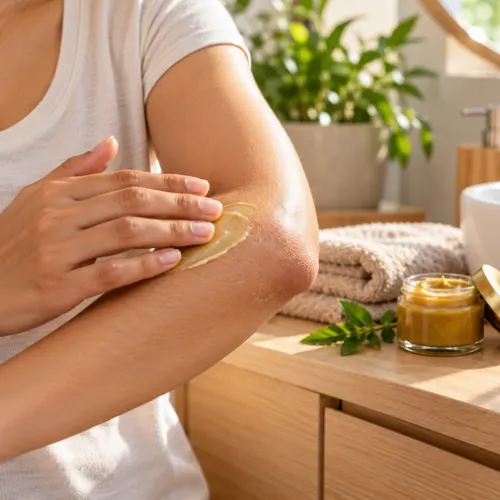
Twice daily is the general pattern most dermatology guidance and Ayurvedic skin routines converge on: once in the morning and once before bed. Some people with more active flares apply a third time after washing hands or bathing, since water contact strips the skin of whatever protective layer was already there. Consistency tends to matter more than quantity. A thin layer applied four times a day beats a thick layer applied once, because thin, repeated coats give the skin barrier less time to dry out between applications.
Creams, Ointments, and Where Ayurvedic Formulations Fit
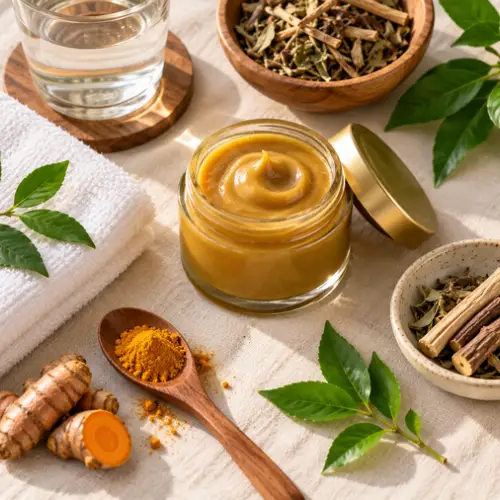
Ointments hold moisture longer because of their oil content, but they feel heavy and can be impractical for daytime use, especially in humid climates. Creams absorb faster and suit daily wear better, though they may need reapplication sooner. Ayurvedic herbal creams sit somewhere in between. Zero Psora, an Ayurvedic cream from AyurWakeup, uses a blend that includes Manjistha, Yashtimadhu, turmeric, and Wrightia tinctoria in a cream base, formulated without steroids or parabens. The texture is designed to absorb without leaving residue, which matters for people applying it under clothing or before sleep. None of this replaces a dermatologist’s diagnosis, particularly for anyone dealing with their first flare or uncertain whether the rash is psoriasis at all, a distinction covered in more depth in this guide on psoriasis rash triggers.
What Ayurveda Adds to a Flare-Up Routine
Ayurvedic skin formulations built for irritated skin usually center on a handful of herbs known historically for their cooling effect. Manjistha shows up most often, and in Zero Psora it makes up 10 percent of the formula, the highest concentration of any single herb in the blend. Turmeric, Kuth, and Sariva round out the mix at 5 percent each, alongside Yashtimadhu for its calming reputation in classical texts. None of these ingredients cure psoriasis, and no responsible product should claim otherwise. What they offer instead is a maintenance layer, something applied daily so the skin has a better shot at holding moisture between flares. That mirrors the logic behind daily psoriasis self-care routines, where the point is rarely one dramatic fix but showing up with the same small habit, day after day.
Common Mistakes That Slow Healing
A hot shower feels good mid-flare. It also strips oils from the skin faster than lukewarm water, which undoes whatever the moisturizer accomplished the night before. Scrubbing is another habit worth dropping. Some people reach for a loofah or a rough washcloth, hoping to physically remove the scale, but that friction usually inflames the plaque rather than clearing it. Timing after a bath matters more than most people realize. Skin patted dry and left bare for ten or fifteen minutes has already lost the surface water a moisturizer needs to lock in, so the window to apply cream is short, ideally under five minutes. Then there is weather. A sudden dip in humidity, the kind that shows up at the start of a dry season, pulls moisture out of skin that was already struggling to hold onto it. That pattern gets covered in more detail in how weather affects psoriasis, and it is worth reading if flares tend to cluster around certain months.
Final Thoughts
Moisturizing during a psoriasis flare ups works best as a habit, not a rescue attempt. The product matters less than showing up for it twice a day, every day, especially through the drier stretches of the year. What has actually helped your skin calm down during a flare, a specific ingredient, a routine change, or simply sticking with one product long enough to see a difference?
FAQ
Skin affected by psoriasis loses water faster than normal skin because the barrier is already compromised. One missed day lets patches dry out and tighten, which increases itching and can trigger more scratching. That scratching often worsens the plaque. Consistency prevents this cycle from starting.
You can, but thin, water-based lotions often absorb too quickly to give lasting relief on thick plaques. Look for something richer, whether that is a dermatologist-recommended ointment or an Ayurvedic cream formulated for dry, inflamed skin specifically, rather than a general-purpose body lotion.
Most herbal formulations need a few weeks of steady use before changes in scaling or itch become noticeable, since they work gradually rather than instantly. Results vary by person and by how active the flare is. Patience and consistent application matter more than switching products early.
After, ideally within a few minutes of patting the skin dry. Lukewarm water opens pores and softens plaques slightly, so applying moisturizer right after locks in that moisture. Waiting too long lets the water evaporate off the skin instead of sinking in.
Yes, sudden humidity shifts are a well-documented trigger for many people with psoriasis. Sweat combined with heat can irritate plaques, while dry, cold air pulls moisture out of skin. Either extreme can set off a flare, which is why routines often need seasonal adjustment.
Medically reviewed by Dr. Arun Radhesh R. (BAMS, MBA), Chief Physician, Ayur Wakeup
Visiting Consultant, Govt. Ayurveda Hospital · Last reviewed: 18 April 2026